

5 Big Questions about the Extinction of the Dinosaurs
- 4th Aug 2026
- Author: Alex Thompson
In 1980, Luis Walter Alvarez and his son Walter first published their theory about the extinction of the dinosaurs - that 66 million years ago, a large asteroid hit the Earth and wiped the species off the planet.
Of course, reducing the theory to this one sentence creates a variety of different questions. So here are the five big questions when to comes to the extinction of the dinosaurs, including the big one - could it happen again?
Why do we think this happened?
Long before the Alvarez family's theory there had been many different ideas about what led to the dinosaurs' demise. Disease, volcanism and mammals simply outmuscling them were all proposed and received significant backing from different parts of the scientific community.
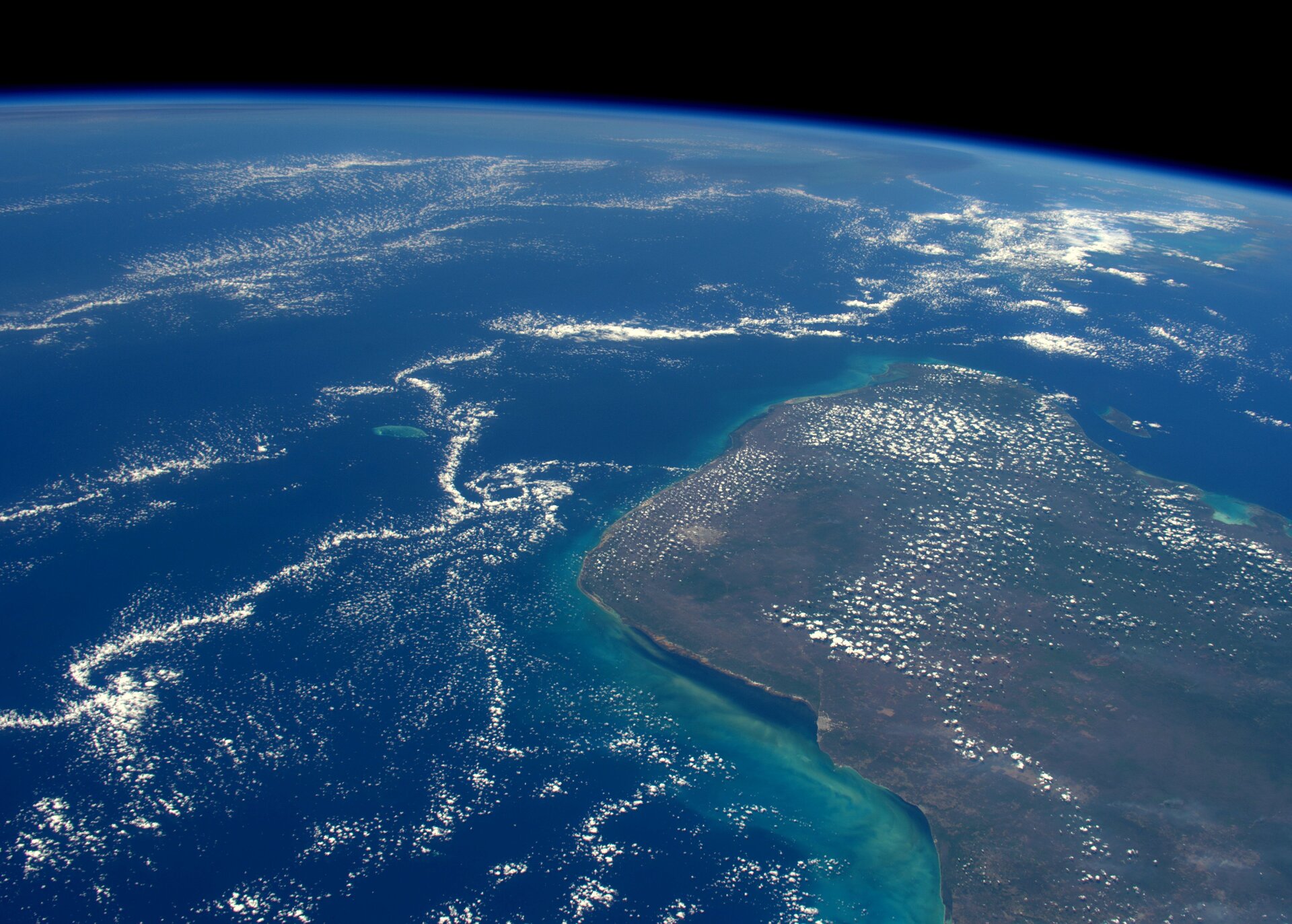
What has made the asteroid theory so dominant is the evidence found in a huge crater in modern day Chicxulub, Mexico. This 180km crater has a strong layer of iridium buried underneath it, an element typically found in space rocks and often found in higher quantities at sites of meteor or asteroid impacts. Around 66 million years worth of other matter has built up on top of it over time, lining up with the timeframe we believe the dinosaurs went extinct in.
Further discoveries have only added weight to the theory, such as the presence of granite which would have been ejected from deep within the Earth to the surface just after impact, and the lack of gypsum which the collision would have vapourised into the atmosphere.
How big was the asteroid?
Technically, anything over one metre in diameter is an asteroid (under this size and it’s classified as a meteoroid). But the bigger the rock, the more potential to do damage. In fact, anything over 1km is considered a “planet killer” – this doesn’t mean an impact would shatter the Earth or anything, but it would cause a huge change in our planet’s conditions that would be devastating to life (see more information about this in the next section).
The asteroid that caused the Chicxulub crater is estimated to have been between 10-15km in diameter. This is large enough to trigger a global mass extinction event.
How did the asteroid lead to the dinosaurs' extinction?
It's myth buster time.
When we think about an asteroid hitting the Earth and taking out the dinosaurs, we naturally imagine all the dinosaurs in one certain area together and the rock physically hitting them all, destroying them all in one fell swoop.
This isn't what happened.
Whilst some dinosaurs would have been unlucky enough to feel the first-hand effects of the asteroid, or even second-hand effects like huge tidal waves or large fires caused by the collision, the fact is that some dinosaurs continued to live, potentially up to an extra 33,000 years after the impact.
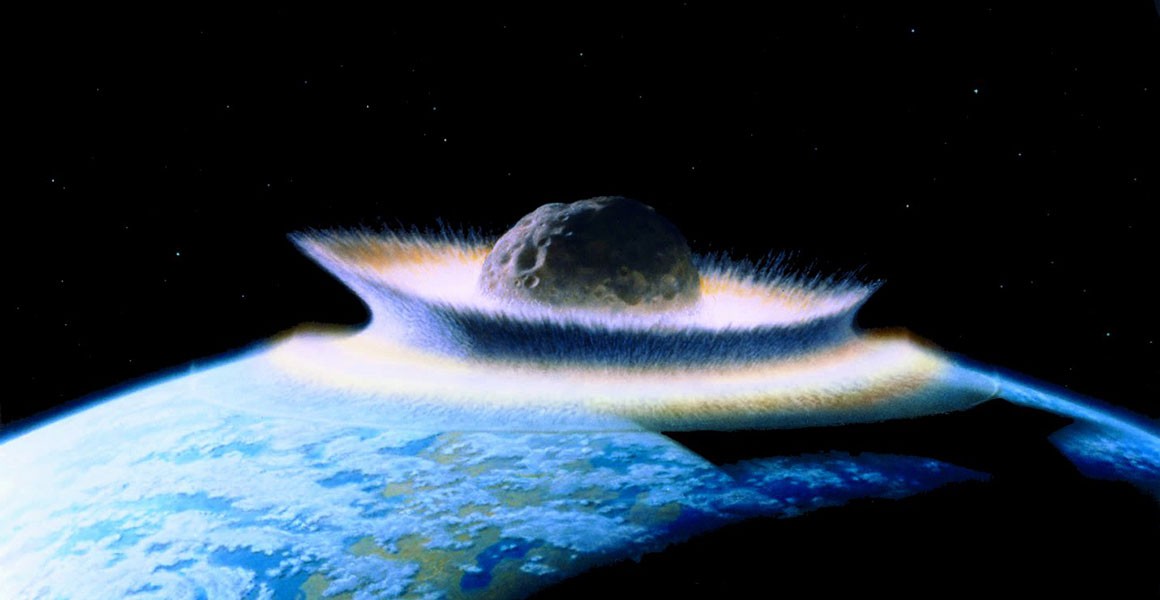
The big thing the asteroid collision caused was a huge change in the Earth’s climate. Huge amounts of dust and debris were thrown up into the air, blocking sunlight and significantly cooling the planet. This in turn led to the gradual collapse of the food chain - the lack of sunlight caused plants and trees to die, meaning the plant-eating dinosaurs had nothing to eat. Once the herbivores died out, this led to a lack of food for the carnivores and their extinction. The only animals to survive were some avian dinosaurs and animals small enough to hide underground or in water.

Did any dinosaurs survive?
Whilst 75% of species on Earth were wiped out by the extinction event, some survived, including a few dinosaurs whose ancestors are still around today.
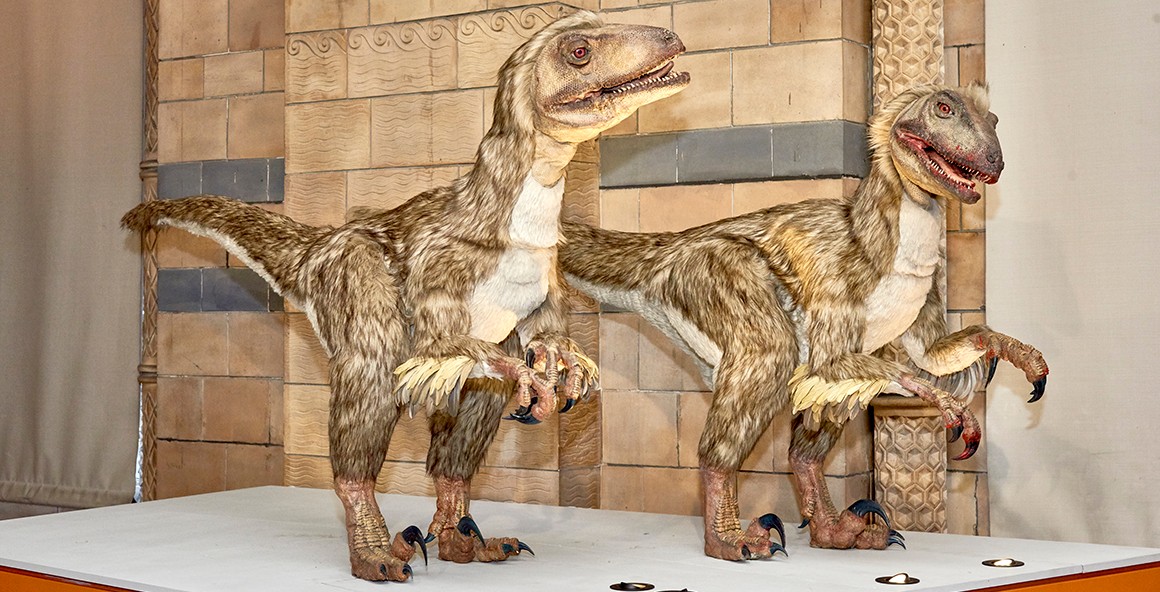
Scientists consider modern birds to be dinosaurs as they directly descend from theropods - small, feathered, two-legged dinosaurs. Whilst not all flying birds survived the impact, the theropods were able to, thanks to several reasons. First, their ability to fly helped navigate decimated landscapes. Also, whilst being meat eaters, they had a flexible diet which meant they could survive eating nuts, seeds and insects. And their smaller bodies required less total food, a big advantage over larger dinosaurs who needed a large amount of calories to survive.
Could this happen again?
The short answer is yes, as there are still very large rocks flying through space. However we are far better equipped to deal with this situation than our dino ancestors.
For a start, modern technology such as space telescopes allow us to monitor asteroids and very quickly identify any that may cause us problems. Most of these rocks will end up passing nowhere near us (our Earth is an extremely tiny target in the grand scheme of things) but if scientists were especially worried they would be able to use a technique similar to that demonstrated by the Double Asteroid Redirection Test - DART mission.
DART was a NASA mission that saw a spacecraft crash into an asteroid moonlet called Dimorphos as it orbited around a bigger asteroid, Didymos. The impact of DART crashing into Dimorphos altered the moonlet’s orbit, showing it to be an effective tactic to deflect any potential future large rocks on a collision course with Earth away from our planet.
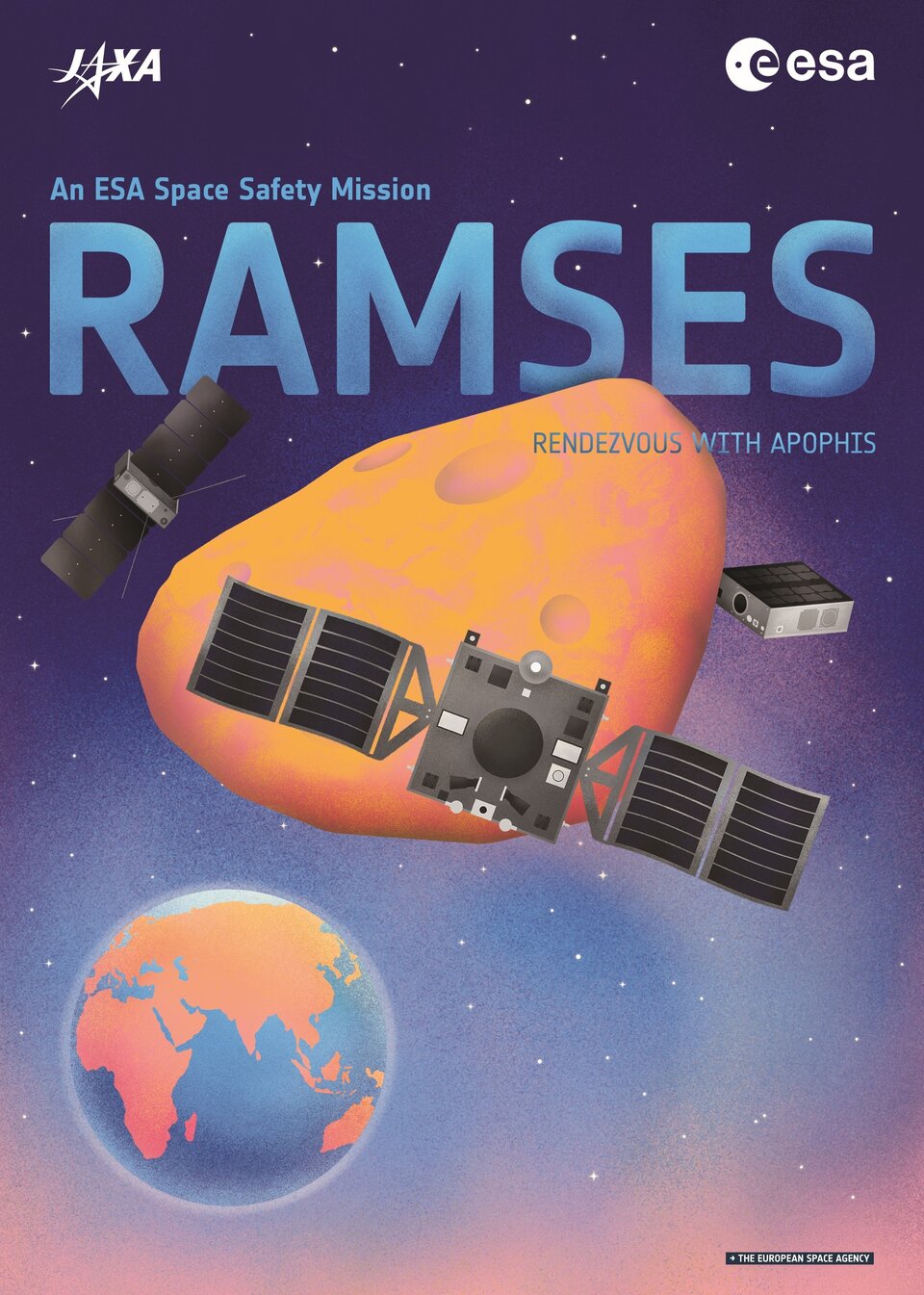
The year 2029 will also present a historic opportunity to study a near-Earth asteroid up close, as a 375m long space rock named Apophis will come within 32,000km of the Earth’s surface. A rock only gets this close to Earth roughly every 7,000 years, and the European Space Agency (ESA) is set to get a front row seat of the spectacle with their Ramses mission. Ramses will rendezvous with Apophis as it approaches the Earth and study the asteroid up close, as well as monitoring the effects our planet has on the rock, such as our gravitational pull altering its shape, orbit and spin. This will give us data on how small bodies react to these external forces, helping inform our future deflection strategies.
And if you’re concerned about how close Apophis is getting to Earth - don’t worry, scientists have already ruled out a collision. And it will be at its closest point to us on Friday 13 April…. what’s so unlucky about that?
If you want to know more, come to the National Space Centre and explore our brand new Outer Solar System experience, where you can learn all about dinosaurs and space rocks!
Photo credits:
Banner image - Dinosaurs to Distant Worlds. Credit: NSC
Image (1) - Yucatan Peninsula, site of the Chicxulub crater. Credit: ESA
Image (2) - Artist's impression of asteroid hitting Earth. Credit: NASA
Image (3) - T-Rex, the most famous dinosaur. Credit: W5
Image (4) - Modern birds can be traced back to dinosaurs such as the Deinonychus. Credit: National History Museum
Image (5) - ESA's Ramses mission. Credit: ESA
Image (6) - Our brand new Outer Solar System gallery. Credit: NSC