

Mission Mars: The Dangers of Sending Humans to the Red Planet
- 22nd May 2026
- Author: Alex Thompson
For decades, people have seen Mars as the next natural step for human exploration. As the Artemis program begins to return astronauts to the Moon for the first time in over half a century, the talk about taking this step has only intensified.
But what does this actually entail? How do we take this giant leap of, for the first time, sending humans to an entirely different planetary system? And, most crucially, what are the dangers faced by those incredible few chosen to attempt arguably the greatest accomplishment in the history of our species?
Launch
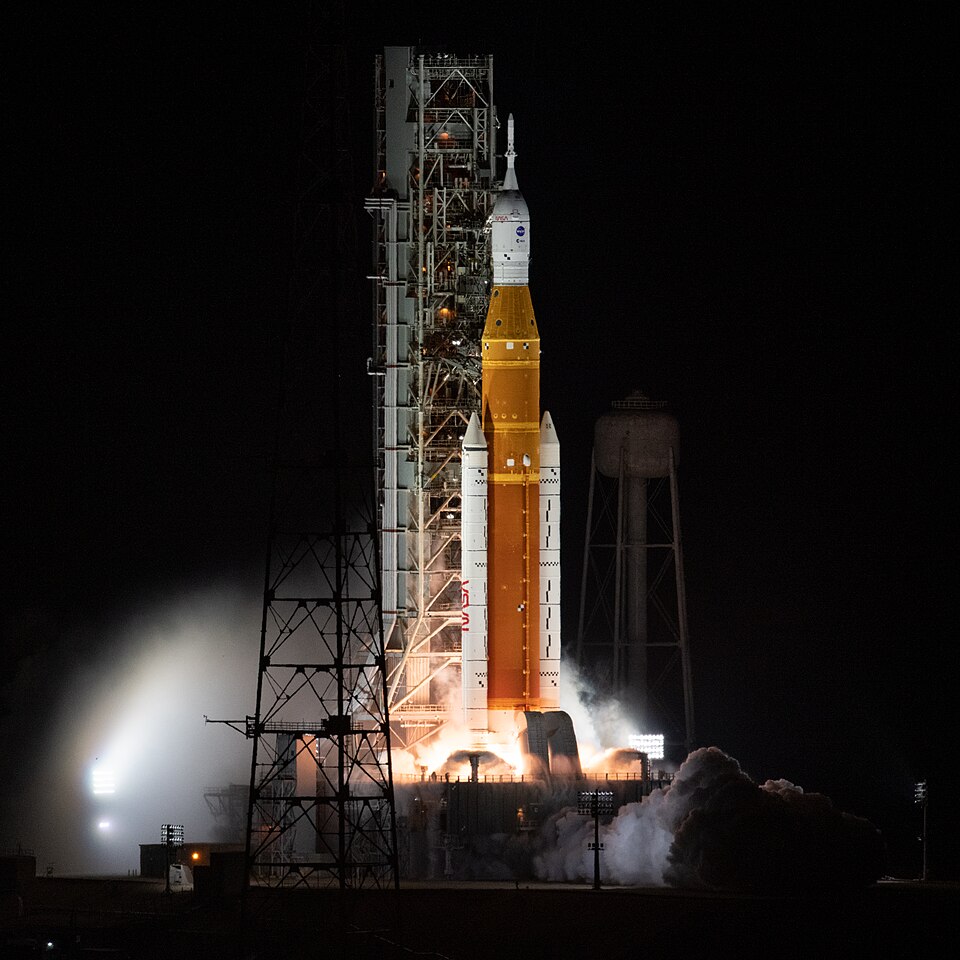
The most dangerous part of any space mission is the launch (and the landing)! But this is especially true for these first Martian missions, as the rockets needed to propel them through the Solar System will be the most powerful ever created. The astronauts’ spacecraft will effectively be sitting on top of several million litres of liquid hydrogen and oxygen, an extremely explosive combination used to escape the pull of Earth’s gravity. Naturally, an abort system is in place, both before and after launch. In the event of an emergency after the rocket has left the ground, an abort system on top of the spacecraft will react in milliseconds to pull the craft and crew away from the rocket and safely into the ocean.
Even after leaving the Earth’s atmosphere the astronauts are not out of the woods. Though the odds of a major issue decreases, the severity of a problem increases the more you move away from Earth. The International Space Station is 400km above our planet, close enough for mission control to assist with an emergency from Earth or, in the worst case, return the astronauts to the Earth. Even at Mars’ closest point, it is over 54 million km away from our planet. The further they travel, the more the crew are by themselves, and getting the astronauts home in the event of an Apollo 13-style catastrophe becomes near impossible.
Travelling Through Space
The flight to Mars will take anywhere between six to nine months. Being cramped up in a spacecraft with the same few people for that long will have a mental effect on even the calmest of astronauts. It’s likely that any person taking a spaceflight of this duration will work with psychiatrists ahead of the mission to mentally prepare for this aspect of the flight. This also means if you want to go to Mars, you have to be a friendly, non-annoying person (sorry to whoever this rules out...).
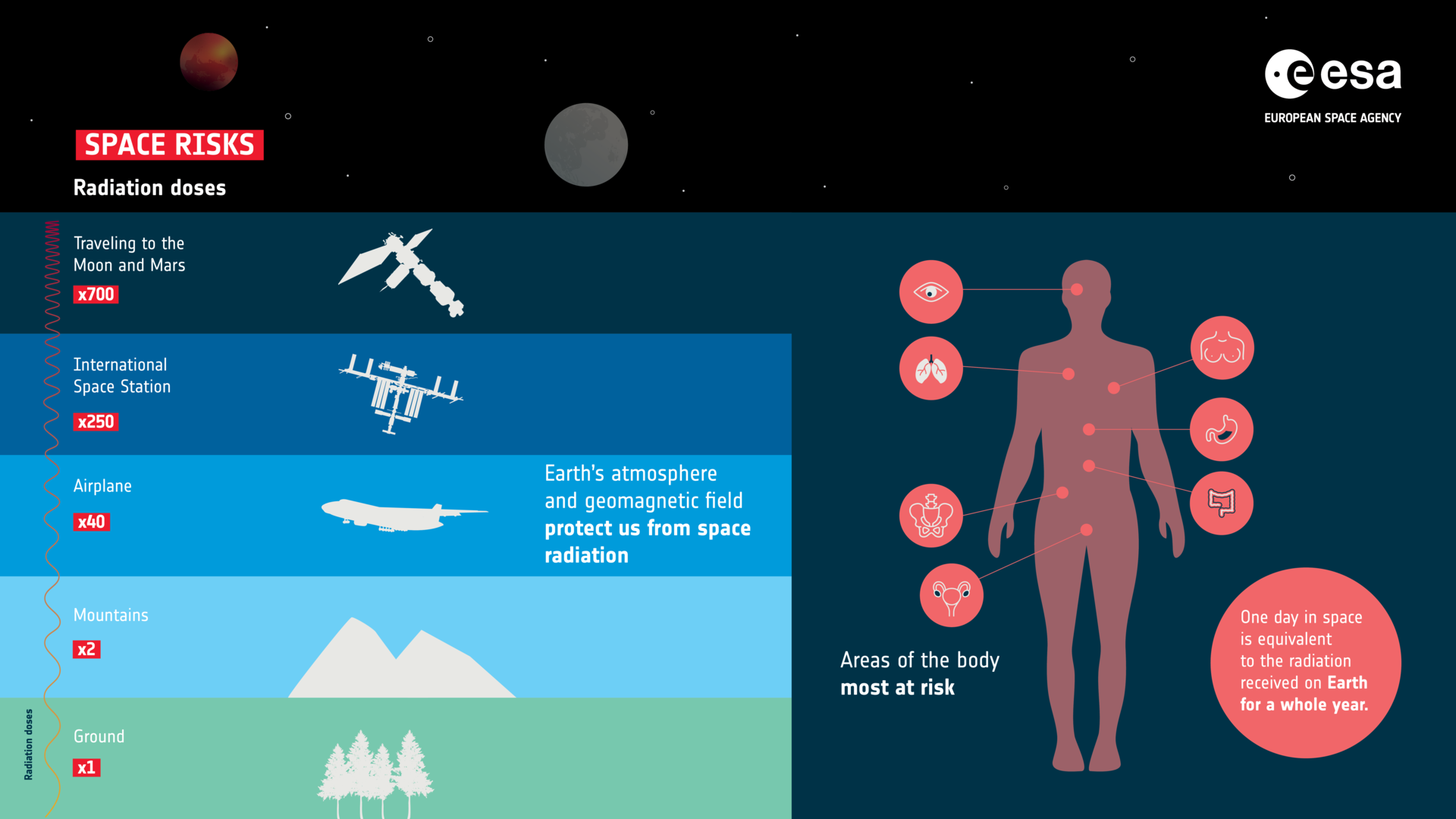
Travelling for this long will also have a detrimental effect on the human body. Large amounts of radiation, over 700 times what we experience here on Earth, will enter an astronaut’s body on a trip to Mars, potentially leading to changes to DNA and increased chances of both serious and degenerative diseases. Spacesuits and spacecraft will need to absorb huge amounts of this. Weakening of the muscles and loss of bone density have long been known effects of long-duration space missions, and certain organs such as the kidneys can be affected too. Daily workouts, medication and nutrition all must be used to limit the long-term effect of space travel on an astronaut’s health.
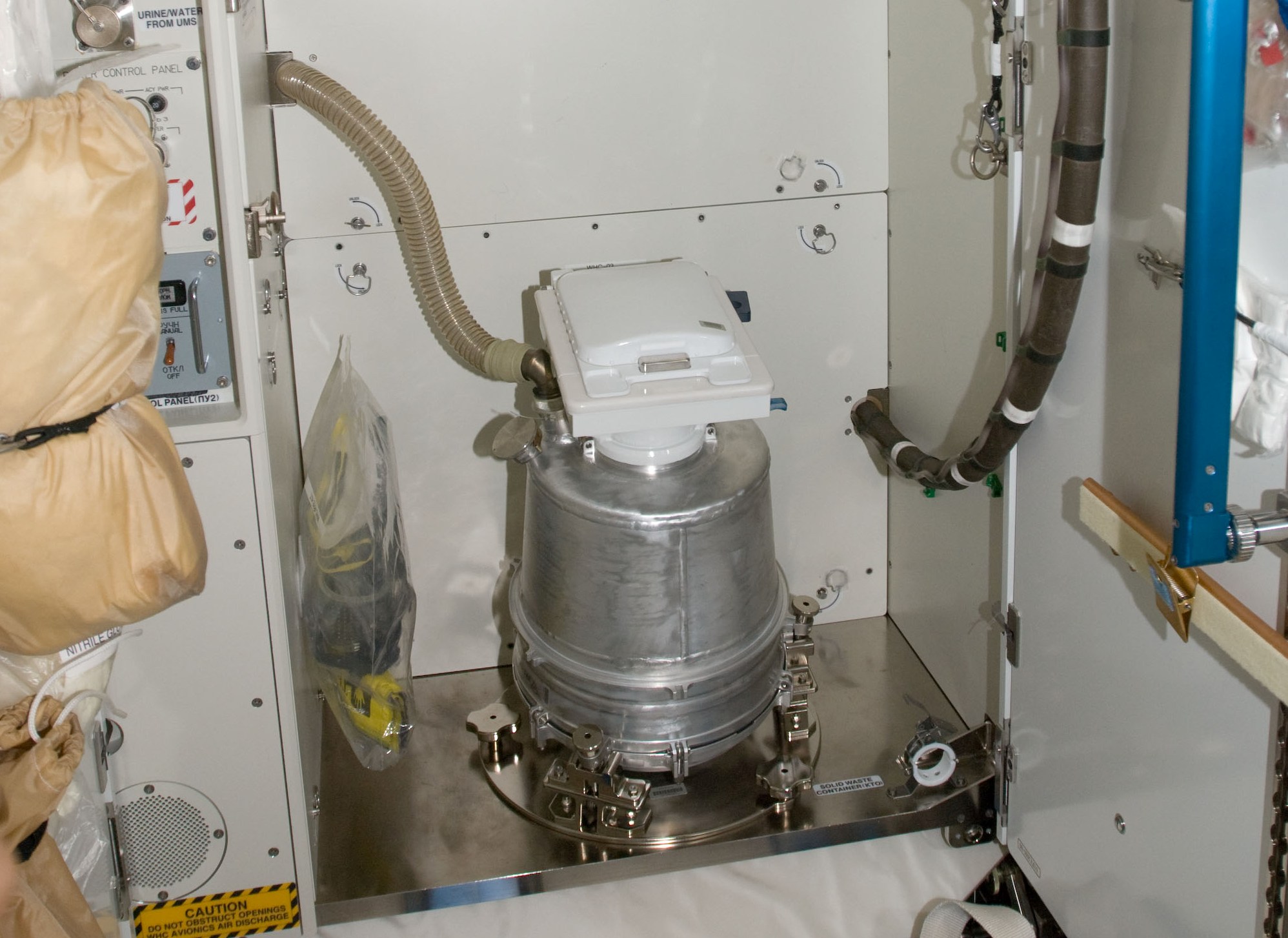
Speaking of nutrition…. enough food will be required for not only this potentially nine-month flight, but also the time on Mars itself and the journey home (overall up to a three-year roundtrip.) Naturally all food will need to be brought with the astronauts from Earth, at least until it’s confirmed the Martian regolith can grow crops. Therefore, all food must be long lasting, nutritious, compact and light. Potential ideas include 3D printed food, lab-grown meat and edible insects! And let’s not forget water. Like on the ISS, all water will be needed to be cleaned and recycled several times – yes, this does include from the toilet!
Landing
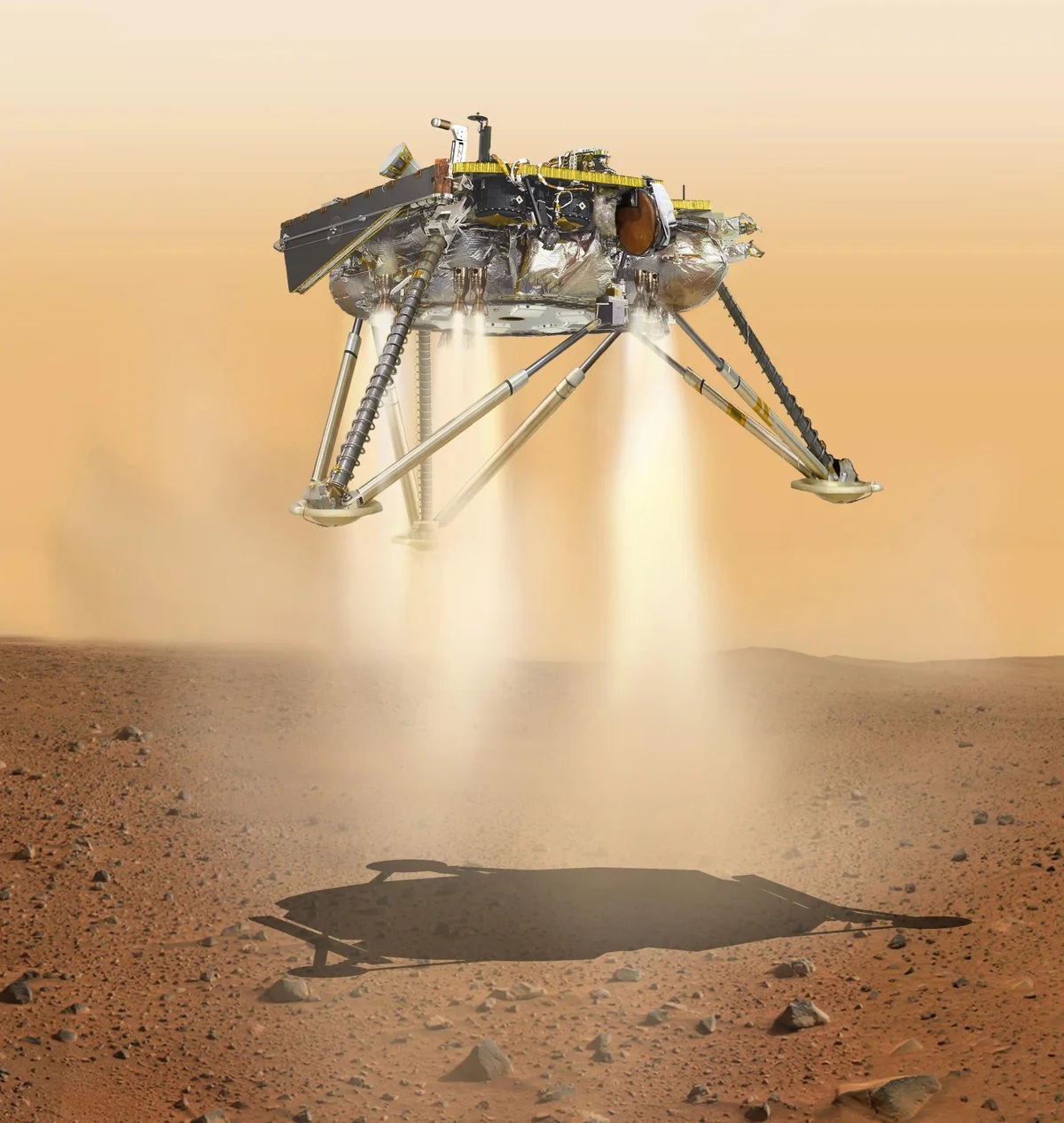
The most difficult part of any missions to Mars will be the landing. In fact, only around half of the spacecraft that have attempted to land on the Red Planet have been successful. This is because the vehicles must go through something know as “The Seven Minutes of Terror”.
This is where the spacecraft must go from the top of the atmosphere, travelling at 13,000 miles per hour, to successfully landing on the ground in around – you guessed it – seven minutes. To make matters worse for the astronauts, due to the distance between Earth and Mars at that point, any communication from Mission Control will take around eight minutes to reach them. So the success of the landing will be entirely in the hands of the crew and onboard computers. It’s high stakes stuff.
And then you have to consider the added complexity and weight of sending humans to Mars instead of rovers. For example, the Perseverance rover weighs just over 1,000kg, about the same as a small hatchback car. A crewed mission, however, will likely weigh anywhere between 50,000 and 100,000kg – roughly the same as a Boeing 757-200 plane (empty if you're looking at the 50,000kg mark and with luggage and passengers for the higher estimate). Needless to say, landing something at this weight will be one of the most ambitious feats ever attempted.
The risks of sending humans to Mars are some of the greatest we’ve ever faced. The good news is that we have some of the brightest brains on the planet working on solutions to these issues, and as the Apollo missions of the 1960s and 70s proved, along with the recent Artemis missions, nothing is out of reach when everyone works together.
Then it’s just the simple task of figuring out how astronauts will survive on the planet itself. But that’s an article for another day…..
Image Credits:
Banner Image - A 1993 artist's impression of a human presence on Mars. Credit: NASA
Image (1) - Rockets to launch a crew to Mars will need to be more powerful than those used on the Artemis missions. Credit: NASA
Image (2a) - Radiation exposure could lead to health issues for Martian astronauts. Credit: ESA
Image (2b) - Water will need to be taken on Mars missions from.... all sources. Credit: NASA
Image (3) - Landing humans on Mars will be our ambitious mission yet. Credit: NASA
